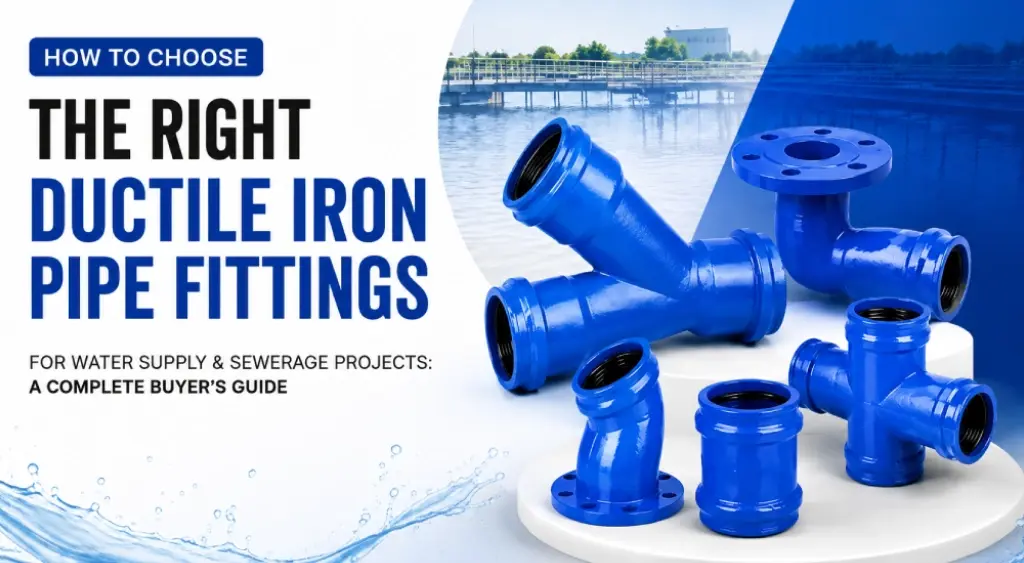


Selecting the correct ductile iron fittings is essential for ensuring the safety, reliability and long-term performance of an Oriented Polyvinyl Chloride pipeline. The fitting should be chosen according to the actual operating conditions rather than only its nominal diameter.
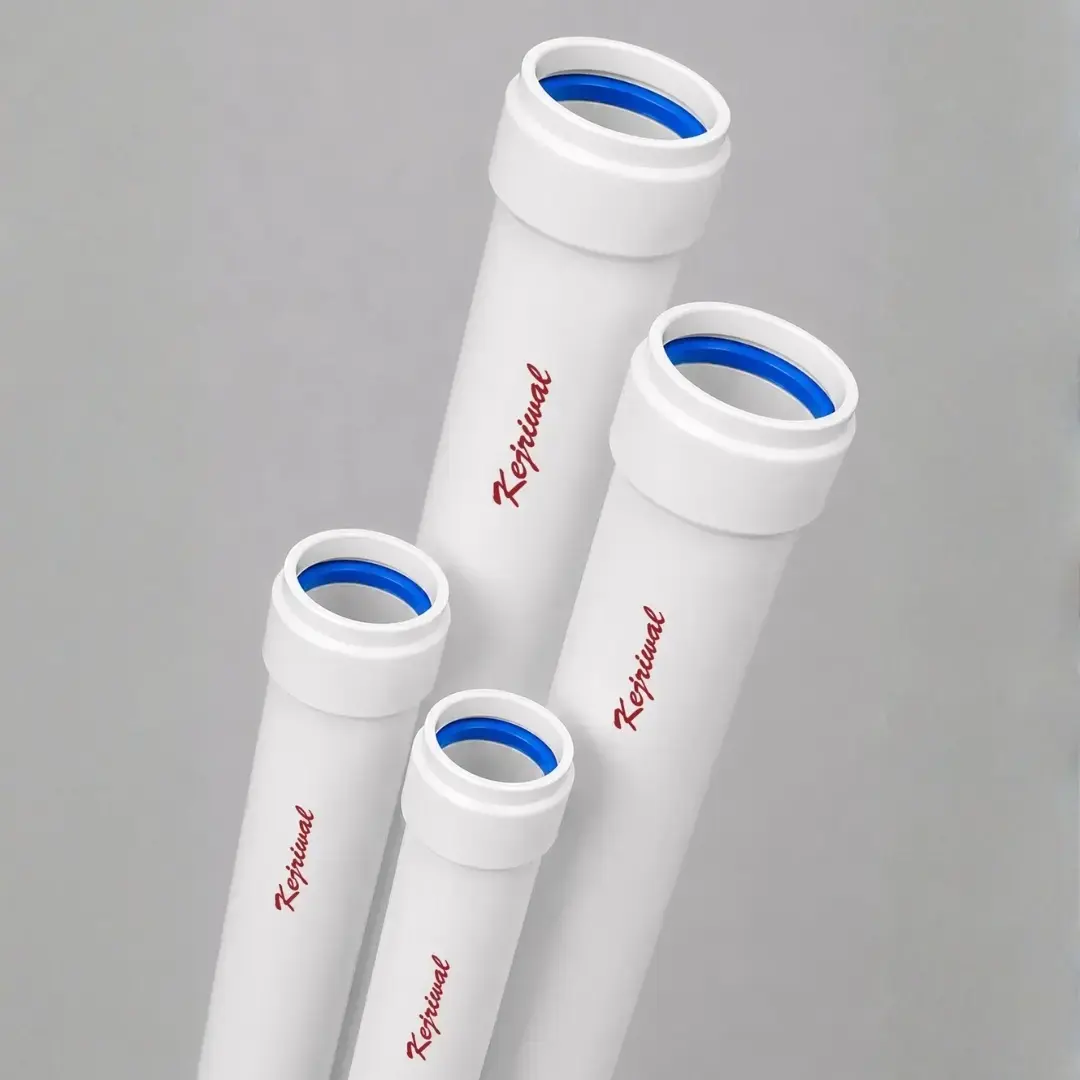
First, confirm that the fitting’s socket, gasket and outside-diameter range are specifically compatible with the OPVC pipe. Pipes and fittings of the same nominal diameter may still have different external dimensions, so compatibility should never be assumed.
The fitting’s pressure rating must be equal to or higher than the maximum pipeline operating pressure, including possible surge and water-hammer pressure. Bends, tees, reducers and blank ends also generate unbalanced hydraulic forces. These locations may require concrete thrust blocks, restrained joints or another approved anchoring system.
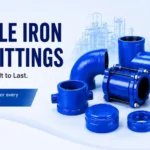
The type of fitting should match its function. Bends change direction, tees create branches, reducers connect different pipe sizes, flange adaptors connect pipes to valves, and dismantling joints simplify equipment installation and maintenance.
Corrosion protection is equally important. Ductile iron fittings should have suitable internal lining, external coating and gasket material based on the conveyed water, soil conditions and expected service environment.
Finally, select fittings manufactured and tested according to the applicable project standard. Verify dimensional drawings, jointing instructions and manufacturer approvals before procurement. Correctly matched fittings reduce leakage risk, simplify installation and help the complete OPVC pipeline perform as a reliable, integrated system.